How Short-Term Ownership Impacts ERP Companies: Part 1
This is Part 1 of a three-part series on what long-term versus short-term ownership does to ERP companies — their employees, their product and their customers. This one is about employees.
Dive into our curated collection of insights, blogs, and news designed to help you consider the idea of writing a new chapter and safeguarding your legacy.
This is Part 1 of a three-part series on what long-term versus short-term ownership does to ERP companies — their employees, their product and their customers. This one is about employees.
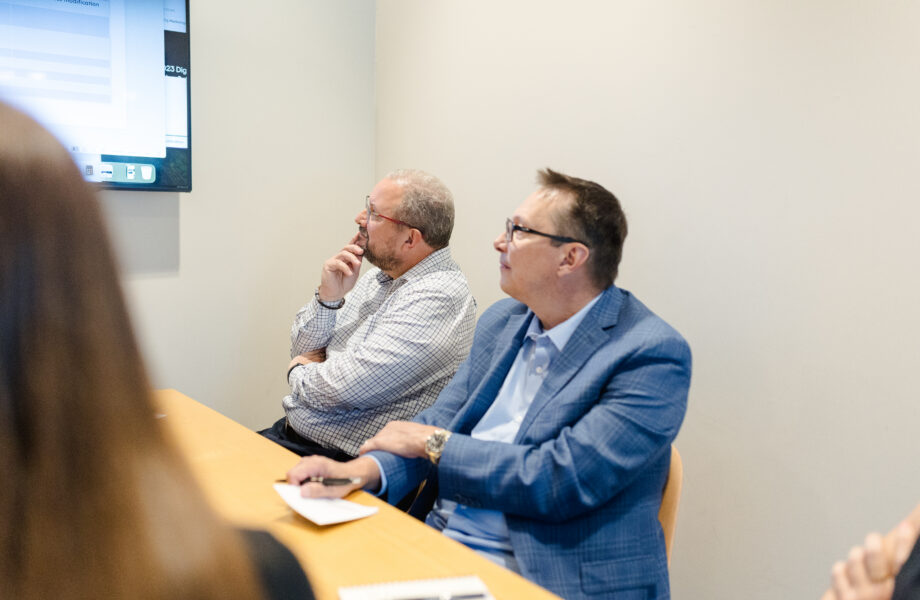
In this guest blog, Cassie Tognoni cuts through the AI hype around ERP. AI can improve interfaces and speed up workflows—but it can’t fix bad data architecture or design the systems that actually drive better decisions.

After more than three decades building Intex into a trusted, SAP-certified technology partner for the textile industry, Bastian Schneider is stepping back from his role as CEO. This decision marks a strategic rebalancing rather than a departure.

AI coding works best when you treat the model like a talented but unpredictable junior developer—fast, capable, and absolutely requiring hands-on supervision. When humans stay in the loop to review specs, monitor decisions, and guide every step, AI becomes a powerful accelerator rather than a risky replacement.


Decades ago, the fire truck industry looked very similar to the ERP industry, with many small, specialized companies manufacturing and repairing fire trucks for their local markets. Today, three companies—REV Group, Oshkosh (Pierce Manufacturing), and Rosenbauer—have nearly 80% market share.


If you’re running a growing business, chances are you don’t spend a ton of time thinking about your finance organization. For many small business founders, “finance” means making sure the books are closed, taxes are filed, and bills get paid on time. Necessary? Absolutely. Strategic? Not really.

The skillset required to get that first 10 million is often very different from the skillset required for the 10-100 million journey. There’s no insult there, because I’m no founder, and I’ve met plenty of founders with no interest in the midmarket growth journey—which is what I know how to do, and what I’ve come to realize I love to do.

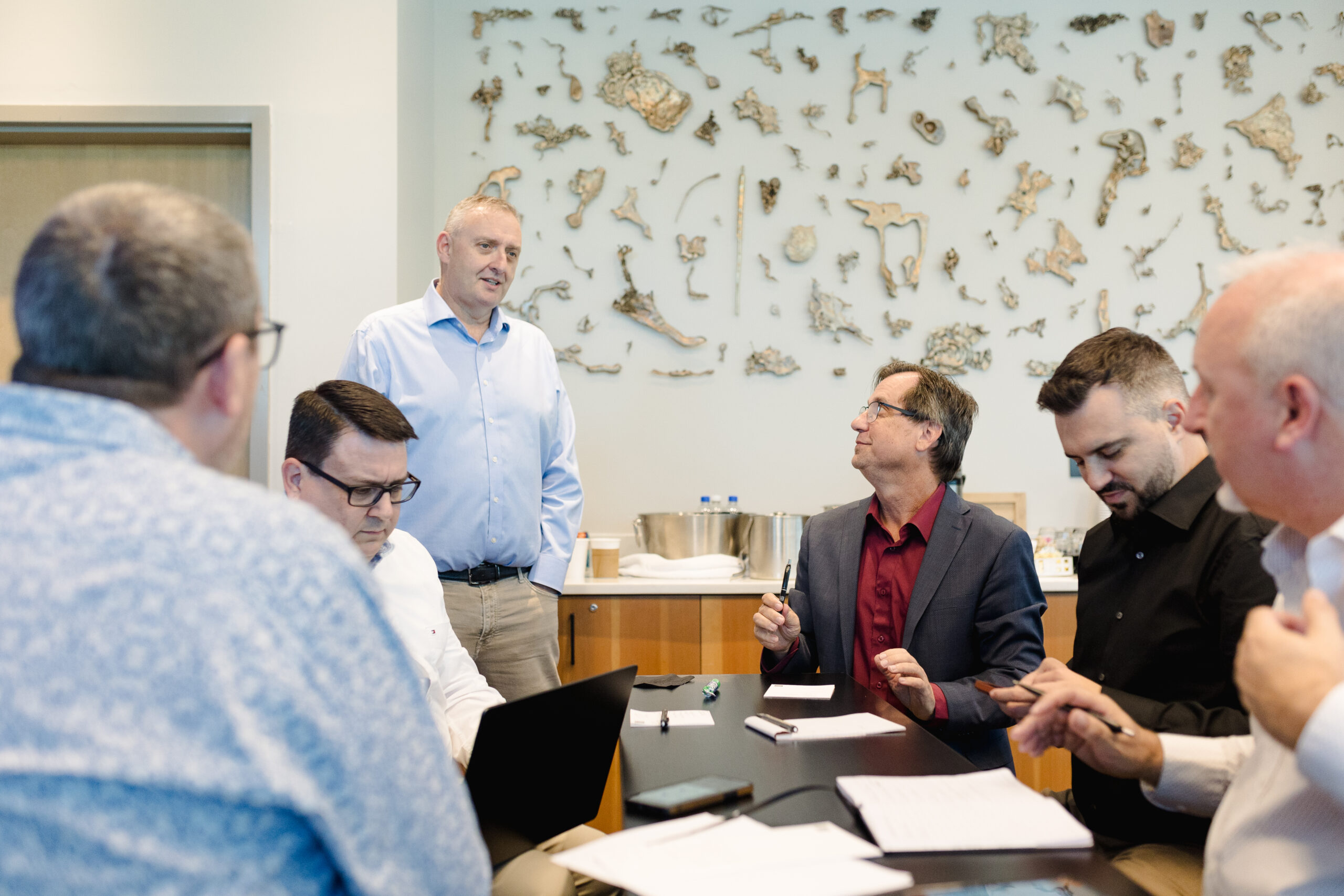
Mirador Software Group (Mirador), a family-owned group of midmarket ERP software companies, today announced it received an influx of growth debt capital from Wells Fargo to fuel the group’s continued expansion in the global ERP application software space. Wells Fargo, one of the largest financial institutions in the world, has partnered with the group following substantive growth and a string of acquisitions over the past 15 months.

In a category increasingly dominated by short-term thinking and financial engineering, we’re committed to long-term partnerships, local presence, and building trust over time. Customer intimacy isn’t just our strategy—it’s our identity.